
Spain Blackout: what does it really mean for solar panels in Luxembourg?
The first serious conclusions do not say that solar panels were responsible for the outage. They point to a more technical issue: the grid needs to manage voltage, fast changes in production and coordination between different electrical assets more effectively.
For a homeowner in Luxembourg, the conclusion is simpler than it may seem: solar still makes sense, but it has to be designed properly. A good installation is not just about the number of panels placed on the roof. It also depends on the roof, the real electricity consumption of the household, the choice of inverter, the possible battery and the future electrical uses of the home.
Key takeaways in 30 seconds
- The Iberian blackout does not prove that solar power is the problem.
- The main issue is more about grid stability, voltage control and equipment coordination.
- In Luxembourg, solar remains highly relevant, but projects need to be properly assessed.
- A high-performing photovoltaic installation must take the home, consumption, inverter, battery and future uses into account.
- Comparing two quotes only by the price of the panels is a mistake. The quality of the study matters as much as the equipment.
Table of contents
- What the Spanish blackout really showed
- Why blaming solar is too simplistic
- The real issue: an electricity grid that is harder to manage
- Why this also matters for Luxembourg
- What a good photovoltaic installation needs to include
- Battery, EV charger and self-consumption
- How to compare a solar quote in Luxembourg
- Frequently asked questions
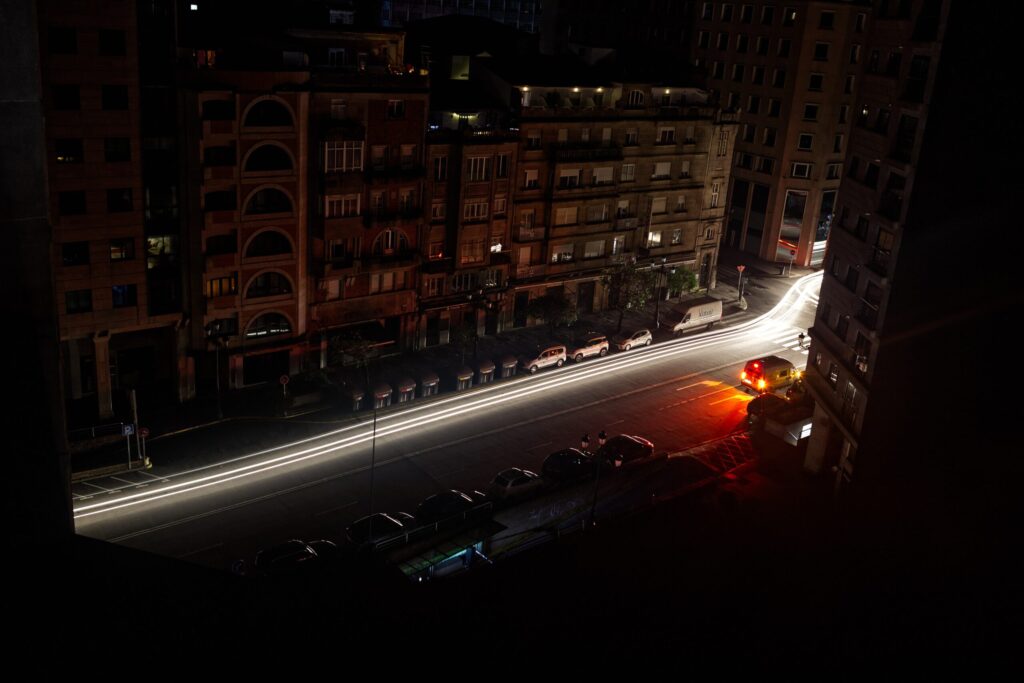
What the Spanish blackout really showed
On 28 April 2025, a major power outage affected mainland Spain and Portugal. The public debate escalated very quickly. Some blamed renewable energy. Others argued that the grid had become too dependent on solar and wind power.
That reaction is understandable, but it is too quick. A blackout cannot be explained simply by looking at the share of solar in the electricity mix at one specific moment. You have to look at what happened inside the grid: voltage, automatic protection systems, generation disconnections, reactive power and the way different stakeholders responded.
The analyses published by ENTSO-E describe a multifactorial event. In other words, several problems followed one another. The report mentions oscillations, shortcomings in voltage and reactive power control, different regulation practices, rapid drops in production and generator disconnections.
So this is not a simple story with one single culprit. It is more a reminder that a modern electricity grid must be able to manage many more situations than before.
Why blaming solar is too simplistic
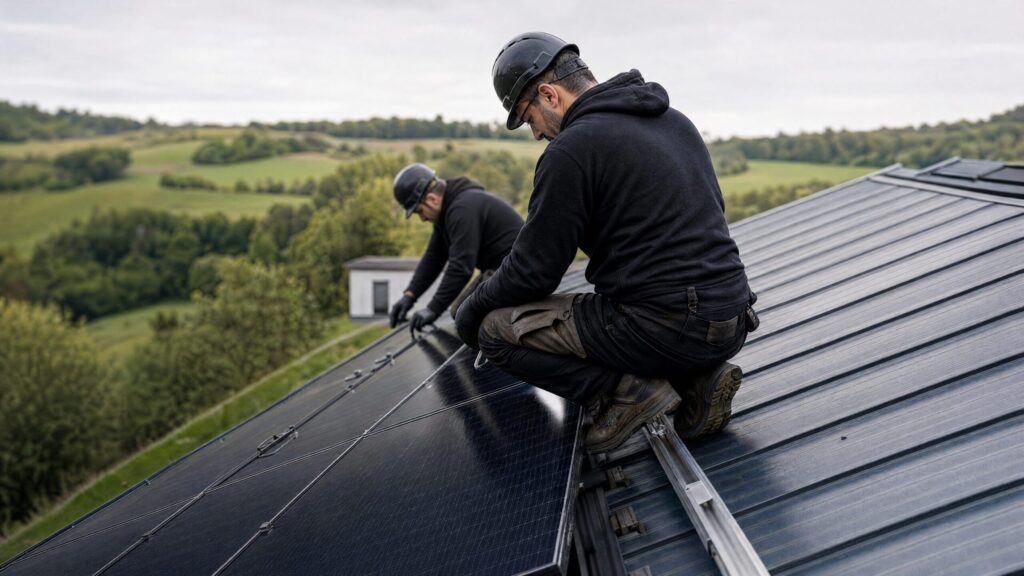
Photovoltaic systems produce a lot of electricity when the sun is shining. That is an advantage, but it also requires more precise grid management. Production can vary, power flows can change direction, and some areas can produce more electricity than they consume at certain times of the day.
But that does not mean solar power is a problem in itself. The real issue is integration. A solar panel never works alone. It works with an inverter, an electrical connection, protection systems, a meter, sometimes a battery, sometimes an EV charger and always with the grid.
A well-designed photovoltaic project can improve a building’s energy independence, reduce part of the electricity bill and help shift certain uses to better times of the day. A poorly designed project, however, can disappoint: poor sizing, low self-consumption, an unnecessarily expensive battery, an unmanaged EV charger or an installation that is hard to upgrade later.
The real question is therefore not: should we be suspicious of solar panels? The real question is: how do we design a solar installation that truly fits the building and the household’s real usage?
The real issue: an electricity grid that is harder to manage
An electricity grid does not only need to produce enough electricity. It also needs to remain stable. Voltage must stay within an acceptable range. Frequency must be maintained. Some equipment must absorb or provide reactive power. Protection systems must react correctly without triggering a domino effect.
These are technical topics, but the idea is simple: the electricity grid works as a permanent balance. Every second, electricity must be produced, transported, consumed and adjusted.
In the past, this balance relied mainly on large centralised power plants. Today, the picture is changing. Homes produce electricity with solar panels. Electric cars are charged at home. Heat pumps are gradually replacing fossil fuel boilers. Domestic batteries are becoming part of residential projects.
This change is not negative. It is even necessary. But it requires more precision. More measurement. More control. And above all, better installations from the start.
The real lesson
The future of solar power is not only about the number of panels installed. It is about the quality of the project: building assessment, inverter choice, self-consumption, correctly sized battery, well-integrated EV charger and clean electrical installation.
Why this also matters for Luxembourg
Luxembourg is not Spain. We should not jump to conclusions or suggest that a similar blackout is imminent. That would be exaggerated and not serious.
However, the Spanish event highlights a trend that affects all of Europe: buildings are becoming more electric. More solar panels, more heat pumps, more EV chargers and more batteries are being installed. A house is no longer only a place that consumes electricity. It can also produce it, store it and control part of it.
For homeowners in Luxembourg, this is good news. But it changes the way a solar project needs to be planned. A photovoltaic installation in Luxembourg should not only answer the question “how many panels can we fit?”. It also needs to answer much more practical questions.
- When does the home consume the most electricity?
- Will the solar production be used directly?
- Does a battery really make sense?
- Can the EV charger benefit from solar power?
- Will the home have a heat pump tomorrow?
- Does the chosen inverter allow the installation to evolve?
This is where the difference appears between an installation that is simply fitted and an installation that is genuinely designed to last.
What a good photovoltaic installation needs to include
A good solar project rarely starts with a technical datasheet. It starts with the house.
What is the roof orientation? Are there any shading issues? When does the family consume the most electricity? Does the customer work from home? Do they already own an electric car? Are they planning a heat pump? Does the roof allow for a clean and durable installation?
These questions may seem simple, but they change everything. Two houses with the same number of solar panels can achieve very different results. One may consume a large share of its production. The other may inject a lot of electricity into the grid because usage is not aligned with production.
A serious photovoltaic installation in Luxembourg should therefore include several elements from the study phase:
- the household’s annual electricity consumption
- daily consumption habits
- roof orientation and tilt
- nearby or seasonal shading
- the choice of photovoltaic inverter
- the possibility of adding a solar battery
- compatibility with an EV charger
- future uses such as a heat pump or air conditioning
- the steps with the grid operator
- the quality of installation, cabling and electrical protection
In Luxembourg, Klima-Agence notably reminds homeowners that self-consumption must be declared to the grid operator. For Creos, the process goes through myCreos with the “autoconsommation” request under “Easy Grid Connect”. This is not just an administrative detail. It is part of the project.
Our approach at Ecoclima
At Ecoclima, we first look at the building and its real uses. The goal is not to sell as many panels as possible, but to propose an installation that works well in real life: solar production, self-consumption, inverter, possible battery, EV charging and the future evolution of the home.
Battery, EV charger and self-consumption: making the right choices
The solar battery is often presented as the answer to everything. In practice, it is more nuanced. A battery can be very interesting, but only if it matches the household’s consumption profile.
It can make it possible to use in the evening some of the electricity produced during the day. It can increase self-consumption. It can also prepare the home for smarter energy management. But if it is too large, too small or poorly integrated, its value quickly decreases.
One point must also be clear: a battery does not automatically protect the home in the event of a power cut. Backup functionality depends on the equipment chosen, the inverter, the wiring, the electrical panel and the configuration planned from the start.
The EV charger follows the same logic. Installed without proper planning, it simply adds a large electrical load. Integrated into the solar project, it can instead become a real lever for self-consumption, especially if the vehicle is often at home during production hours.
This is why a modern solar installation should anticipate future uses. Even if the customer does not yet own an electric car or a heat pump, it is often smarter to plan an installation that can evolve cleanly over time.
Good to know about 2026 prefinancing
In Luxembourg, the 2026 photovoltaic prefinancing system allows the Klimabonus subsidy to be deducted directly from the final invoice, under certain conditions. It can apply to a new photovoltaic installation with or without a domestic battery. However, adding a battery alone to an existing installation does not follow this prefinancing procedure.
How to compare a solar quote in Luxembourg
After an event like the Spanish blackout, the wrong reaction would be to ask whether solar is dangerous. The right reaction is to look more carefully at how installations are designed.
On paper, two photovoltaic quotes may look similar. Same number of panels. Similar power output. Comparable price. Yet the result can be very different once the installation is operating.
The most serious quote is not necessarily the one showing the most power or the lowest price. It is the one that clearly explains the project: why this power rating, why this inverter, what level of self-consumption, what battery compatibility, what integration with an EV charger and what grid procedures are required.
Checklist for comparing two photovoltaic quotes
- Is the quote based on your real electricity consumption?
- Is the expected self-consumption clearly explained?
- Is the choice of inverter justified?
- Is the battery useful in your case or simply added to the quote?
- Is the EV charger included or at least anticipated?
- Are the steps with the grid operator explained?
- Are the equipment and installation warranties clear?
- Does the installer also talk about the limits of the project?
- Will the installation be able to evolve in a few years?
A good installer should be able to explain what they recommend, but also what they do not recommend. That is often where you recognise a serious project. Solar is an excellent solution when it is properly sized, properly connected and well integrated into the home’s real usage.
The real conclusion for homeowners in Luxembourg
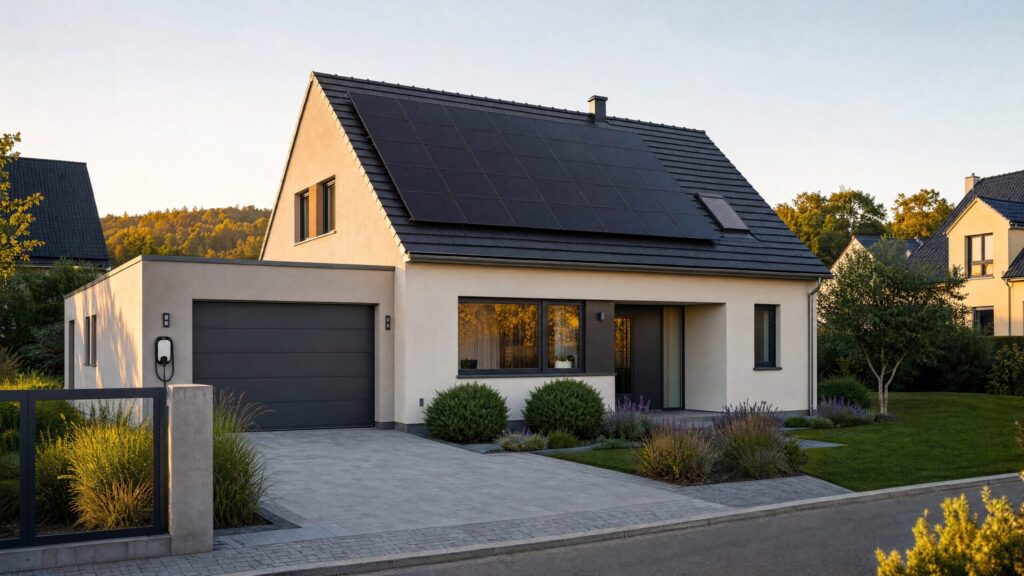
The Spanish blackout should not be used to create fear around solar power. It is a reminder of something simple: the more the electricity system evolves, the more installations must be designed methodically.
For a homeowner in Luxembourg, installing solar panels remains a relevant decision. But the project must be considered beyond the price and the number of panels. What matters is real usage: producing at the right time, consuming more electricity on site, preparing EV charging, anticipating a heat pump and choosing equipment that can keep up with the evolution of the home.
Solar power is not the problem. Poor sizing, lack of assessment and installations designed too short term can be.
Planning a solar project in Luxembourg?
Ecoclima supports you in the study and installation of solar panels in Luxembourg, with an approach focused on the home, real consumption, self-consumption, the inverter, the possible battery and future electrical uses.
FAQ:
Was the blackout in Spain caused by solar panels?
The available analyses do not allow us to say that solar panels caused the blackout. The identified issue is broader: voltage control, reactive power, grid coordination, generation disconnections and overall electricity system stability.
Is a solar battery always useful?
Not always. A solar battery can be useful if it matches the household’s consumption profile. It should be sized according to production, usage, consumption times and existing or future equipment.
Does a battery protect the home in case of a power cut?
Not automatically. To power part of the home during an outage, you need a compatible backup function, a suitable inverter, wiring designed for this purpose and a specific electrical configuration.
Why is the inverter as important as the panels?
The inverter converts the electricity produced by the panels into electricity that can be used in the home. It also plays a central role in production monitoring, battery compatibility and the future evolution of the installation.
How do you know if a solar quote is serious?
A serious quote should explain the logic of the project: real consumption, proposed power, chosen inverter, estimated self-consumption, battery option, EV charger integration, warranties and steps with the grid operator.