
Installing solar panels in Luxembourg, explained step by step.
Your solar panel project in Luxembourg : what steps should you expect?
Before installing photovoltaic panels, choosing a capacity or comparing prices is not enough. In Luxembourg, a serious solar project must also anticipate the administrative, technical and grid-related steps: municipality, connection, self-consumption, buyback contract, commissioning and post-installation follow-up.
Key takeaways in 30 seconds
- A photovoltaic installation in Luxembourg must be prepared before the work begins: roof, consumption, grid connection, operating mode and documents.
- Municipal authorization should not be treated automatically: it must be checked with the municipality where the building is located.
- Grid connection depends on the competent grid operator: Creos across a large part of the country, but also some local operators depending on the municipality.
- With self-consumption, you use part of your own production and the surplus can be sold through a contract with an electricity supplier.
- After installation, commissioning, checks and the completion notice are important steps to properly finalize the project.
Table of contents
- Who is this guide for?
- Before the quote: the first points to check
- Municipal authorization: why you should check before the work begins
- Grid connection: what is the request for?
- Self-consumption, surplus or full injection: how to choose?
- During the work: what needs to be coordinated
- After installation: commissioning, buyback contract and follow-up
- What Ecoclima can handle
- FAQ
Who is this guide for?
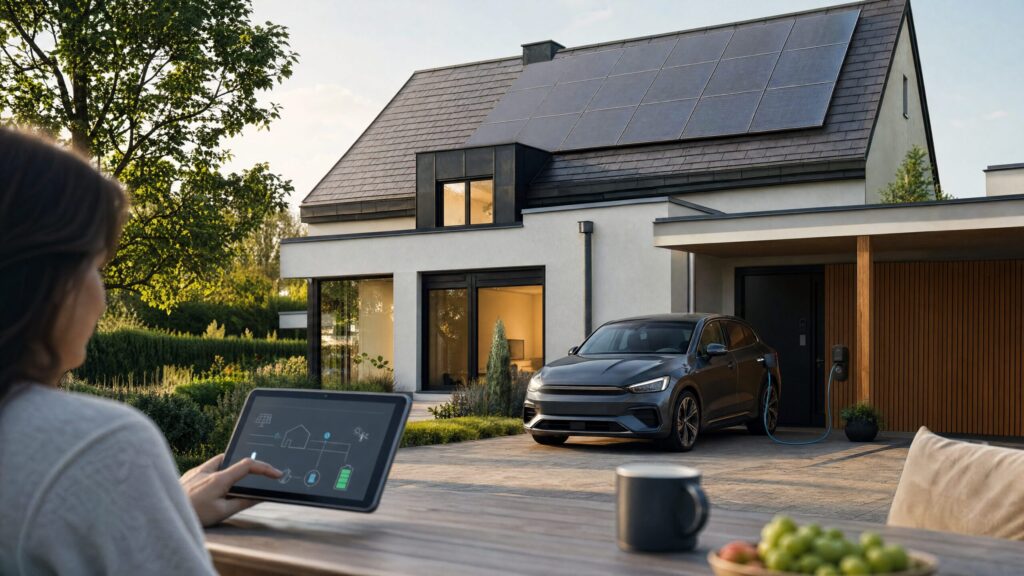
This guide is intended for homeowners, property owners, co-ownerships and small businesses in Luxembourg considering a photovoltaic installation and wanting to understand the steps before starting the work.
The right approach: do not see photovoltaics as an isolated product, but as a complete system connected to your roof, your consumption, your meter, your electrical grid, your future equipment and the way you use energy.
Before the quote: the first points to check
The first step is to check whether the project makes technical sense. Two homes located in the same municipality can deliver very different results depending on roof orientation, shading, available surface area, roof condition and consumption profile.
What to analyze on the building side
- Roof orientation and slope
- Shading from trees, chimneys or neighboring buildings
- Roof condition and site access
- Actual usable surface area
- Possible co-ownership constraints
What to analyze on the consumption side
- Annual consumption and occupancy habits
- Heat pump or electric heating
- Current or future electric vehicle
- Interest in a home battery
- Available electrical capacity at the meter
This step makes it possible to build a useful solar quote, not just a price. A good quote should explain the proposed capacity, the choice of panels, the inverter, electrical protections, the self-consumption logic and future upgrade possibilities.
Also read: points to check before signing a solar quote and sizing a photovoltaic installation in Luxembourg.
Municipal authorization: why you should check before the work begins
In Luxembourg, it is important to remain cautious about authorizations. According to Guichet.lu, for each type of installation, you should check with the municipal administration of the building’s location whether a building permit is required or not.
You should therefore not assume that one single answer applies across the whole country. Some municipalities may have specific requirements, especially depending on the type of building, visibility from public space, protected areas or local planning rules.
The right reflex
Before confirming the work schedule, contact your municipality or ask your installer for the technical elements required to check the situation: address, building type, roof area concerned, visibility, planned capacity and plans if needed.
Grid connection: what is the request for?
A photovoltaic installation connected to the grid must be technically validated by the competent grid operator. This step is used to check that the project is complete, technically feasible and compliant with connection requirements.
For customers connected to the Creos grid, the request is made through the myCreos customer area. Klima Agence indicates that, for self-consumption, the request is made under “Easy Grid Connect”. In other areas, the operator may be the City of Diekirch, the City of Ettelbruck or Sudstroum.
The main grid-related steps
- Submit or prepare the connection request with the project information.
- Have the grid operator check the completeness and technical feasibility of the file.
- Prepare the electrical work according to the applicable technical requirements.
- Sign the required documents and, if needed, conclude a contract for the injected electricity.
- Proceed with commissioning after validation of the required elements.
- Finalize the completion notice and any possible checks.
Creos recommends completing the online request with the electrician. Depending on the case, the electrician may also submit the request on behalf of the customer. This is an important point: even if the owner remains involved in the project, technical support often helps avoid file errors.
At Ecoclima, we support you through all these steps.
Self-consumption, surplus or full injection: how to choose?
The operating mode should be chosen in line with your real consumption. The goal is not simply to produce as much as possible, but to produce useful energy that is properly valued and suited to your home.
| Mode | Principle | To consider if… |
|---|---|---|
| Self-consumption | You consume part of your solar production on site. | You have daytime consumption, a heat pump, an electric vehicle or a battery project. |
| Self-consumption with surplus | You consume part of the electricity and inject the excess into the grid. | You want to optimize the use of your production while valuing the surplus you do not consume. |
| Full injection | The production is injected into the grid instead of being consumed directly on site. | Your main goal is selling the production, depending on the conditions applicable to the project. |
For self-consumption, Klima Agence indicates that the request to operate the installation in self-consumption mode must be communicated to the grid operator. To sell surplus electricity, a buyback contract must also be concluded with an electricity supplier.
Important point: the right choice depends on your real profile. A home with daytime presence, an electric vehicle or a battery does not follow the same logic as a home that is almost empty during the day.
During the work: what needs to be coordinated
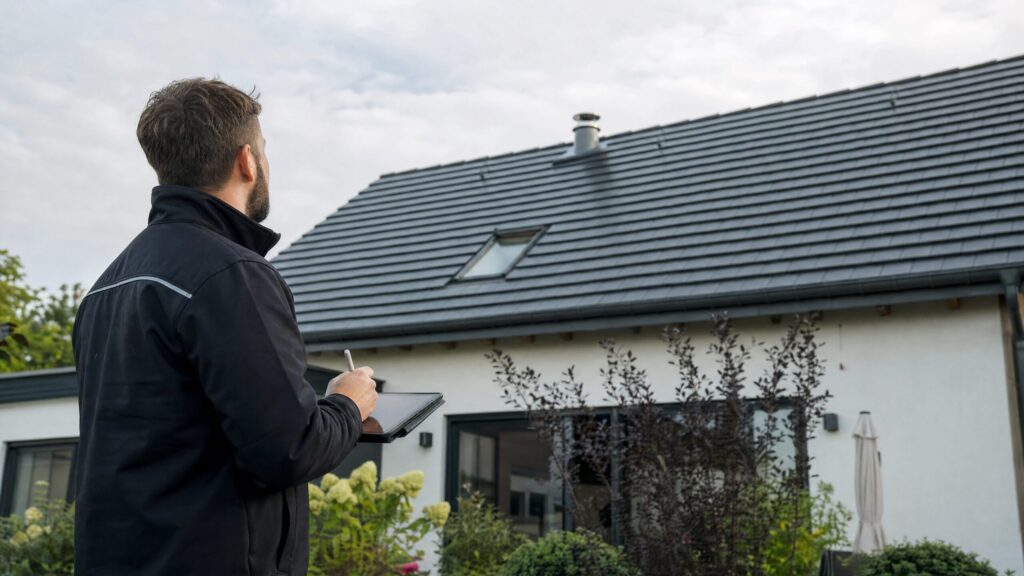
Installing solar panels is not limited to mounting modules on the roof. A reliable installation must coordinate the roof work, electrical work, protections, connection, inverter, monitoring and grid operator requirements.
On the roof
- Panel layout
- Mounting adapted to the roof covering
- Cable routing
- Waterproofing and visual finish
- Site safety
On the electrical side
- Inverter or microinverters
- Electrical protections
- Electrical panel
- Connection to the meter
- Configuration and monitoring
This is also when execution quality matters most. A well-installed project should be clean, documented and designed to last. This concerns solar production as much as electrical safety and future maintenance.
After installation: commissioning, buyback contract and follow-up
Once the panels are installed, the project is not finished. Documents, commissioning authorizations, possible checks and procedures related to injection or self-consumption still need to be finalized.
Creos indicates that, depending on the configuration, commissioning takes place after the required documents have been received. The electrician must also complete the work completion notice through the dedicated application. The grid operator can then check the work and request an inspection if necessary.
To finalize after installation
- Commissioning of the photovoltaic installation
- Work completion notice to the competent grid operator
- Surplus electricity buyback contract with an electricity supplier if you inject part of the production
- Access to monitoring to track production and self-consumption
- Archiving invoices, technical documents and useful certificates
- Preparation of the aid or prefinancing file depending on the case
What about photovoltaic prefinancing?
Photovoltaic prefinancing is separate from grid procedures. The principle is simple: when the conditions are met, the Klimabonus subsidy can be deducted directly from the final invoice by an installer registered in the list of installers admitted to the procedure.
This is not a reason to neglect the technical steps. Guichet.lu specifies in particular that the prefinancing request involves documents such as the final invoice, the work completion declaration sent to the competent grid operator and the co-signed customer agreement.
Also read: photovoltaic prefinancing in Luxembourg.
What Ecoclima can handle in your project
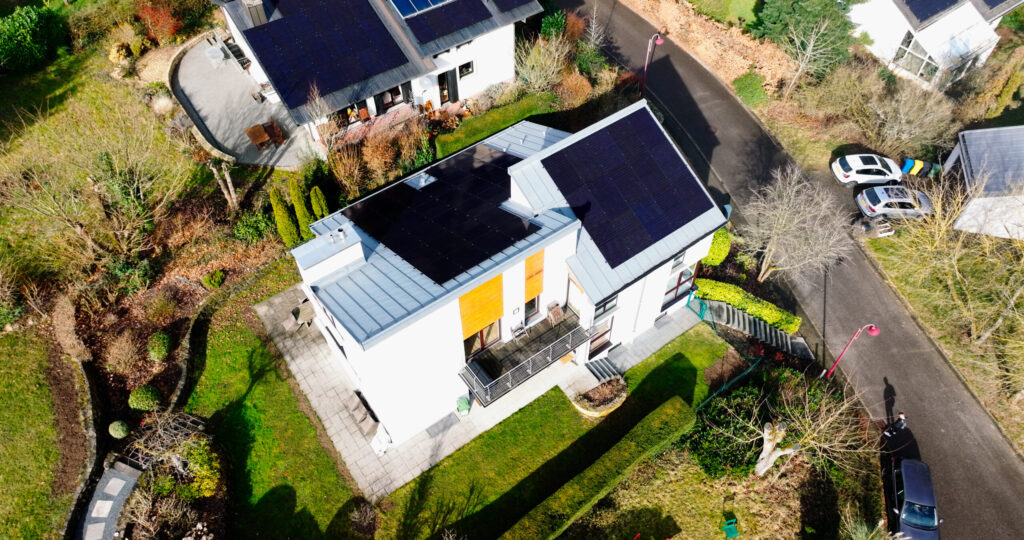
An installer’s role should not be limited to installing panels. For a photovoltaic project in Luxembourg, support should help the customer understand the steps, prepare the right technical documents and coordinate the required interventions.
| Step | Your role | Possible support |
|---|---|---|
| Project study | Share your bills, consumption habits and goals. | Analysis of the roof, solar potential, relevant capacity and suitable equipment. |
| Municipality | Check the applicable requirements with your municipality if necessary. | Provision of useful technical information to make the exchange easier. |
| Connection | Validate the requested information and documents. | Preparation or support for the request with the electrician depending on the case. |
| Work | Provide access to the building and validate the schedule. | Installation, electrical connection, protections, configuration and finishing. |
| After installation | Keep the documents and monitor production. | Commissioning, technical follow-up, usage advice and self-consumption optimization. |
Are you preparing a solar project in Luxembourg?
Ecoclima supports you with the study, equipment selection, installation, technical coordination and follow-up of your photovoltaic installation.
Mistakes to avoid before starting the work
- Signing a quote without understanding the operating mode: self-consumption, surplus or full injection.
- Forgetting to check municipal requirements before installation.
- Choosing only the lowest price without looking at electrical protections, equipment and follow-up.
- Oversizing the installation without linking it to real consumption.
- Not anticipating a future battery, charging station or heat pump.
- Neglecting completion documents, which are useful for subsidies, follow-up and future resale of the property.
FAQ: solar panel procedures in Luxembourg
Do you need authorization to install solar panels in Luxembourg?
You must check with the municipal administration of the building’s location whether a building permit is required or not. The answer may vary depending on the municipality, the building and the planning context.
Who makes the Creos request?
Creos recommends completing the online request with the electrician. Depending on the case, the electrician can also submit the request on behalf of the customer. The important point is that the project’s technical information is correct.
Can you directly self-consume your solar electricity?
Yes, if the installation is designed and validated for this mode. For the Creos grid, the self-consumption request is made via myCreos, in Easy Grid Connect. The surplus can be sold through a buyback contract with a supplier.
Should self-consumption be chosen before installation?
It is preferable to define this choice from the project study stage. It influences the configuration, the connection, the potential buyback contract, the relevance of a battery and the interest of a charging station or heat pump.
How long do the procedures take?
The timeline depends on the municipality, the grid operator, the complexity of the project, the installation schedule and how quickly the documents are validated. It is better to anticipate the procedures before fixing a work date.
Can a battery be installed later?
Yes, it is often possible, but it should be anticipated from the start. The inverter, available space, self-consumption strategy and subsidy conditions can influence the technical choice.