
Heat pumps in Luxembourg: the new inspection requirements in 2026
Does your heat pump require a statutory inspection? Find out which deadlines apply in Luxembourg and what to prepare before the appointment.
A periodic heat pump inspection is now mandatory in Luxembourg for systems supplying water-based central heating. The requirements came into force on 18 September 2026 and also cover systems already in operation. For installations commissioned before that date, the first inspection must take place by 18 September 2028, according to the Environment Agency’s inspection schedule.
Already have a servicing contract? Check what it includes: initial acceptance, servicing and statutory periodic inspection are three separate procedures. In practice, the following deadlines and steps will help you plan ahead, whether your heat pump is already running or you are planning to replace your heating system.
Is your heat pump covered?
For example, the requirements cover an air-to-water or ground-source heat pump that heats water for your radiators or underfloor heating. The Law of 17 August 2026 covers fixed installations used to regulate the indoor climate of buildings, regardless of their heating output.
The scope explained by the Environment Agency excludes air-to-air heat pumps, units used exclusively for domestic hot water or swimming pools, temporary installations used for less than a year, and systems dedicated to industrial processes. However, the rules still cover a heat pump that provides both space heating and domestic hot water.
For reversible air-to-air systems, this exclusion does not remove the need to follow the manufacturer’s servicing instructions. In addition, refrigerant leak checks may apply, depending on the equipment.
Heat pump inspection in Luxembourg: key deadlines
First, find the commissioning date in your installation documents. This date determines the first inspection deadline.
| Commissioning date | First periodic inspection |
|---|---|
| Before 18 September 2026 | No later than 18 September 2028 |
| On or after 18 September 2026 | Between one and two years after commissioning |
From the date of the first inspection with a positive outcome, the intervals set out in Article 6 of the law apply:
- Every 4 years as the general rule;
- Every 5 years if an electronic system monitors and controls the installation from a distance;
- Every 3 years where its rated useful output exceeds 290 kW, including systems with remote monitoring and control.
A heat pump marketed as “connected” does not automatically qualify for the five-year interval. An app that only displays temperature or energy consumption does not, by itself, demonstrate that the remote monitoring and control conditions are met. Therefore, ask an authorised inspector to confirm the interval for your installation.
Who must arrange a heat pump inspection?
The responsibility lies with the operator: the person with actual control over the heat pump’s technical operation or, failing that, the building owner. The operator must contact a company authorised to carry out periodic inspections, as specified in Articles 3 and 6 of the law. In a jointly owned building, establish with the property manager who will arrange the inspection.
Heat pump inspection, initial acceptance and servicing
| Service | Purpose | Record to keep |
|---|---|---|
| Initial acceptance | Check the newly commissioned installation | Request and SCRB acceptance report |
| Servicing | Support proper operation following the manufacturer’s instructions | Detailed servicing record |
| Periodic inspection | Meet the statutory inspection requirement | Report from an authorised inspector |
Initial acceptance checks the newly commissioned installation
Luxembourg introduced mandatory initial acceptance, known as réception, in September 2025 for the installations concerned. The company commissioning the heat pump must submit a request to the Chamber of Skilled Trades and Crafts’ Service de Contrôle et de Réception du Bâtiment (SCRB) within one month of commissioning. The SCRB explains the procedure and its scope.
The one-month deadline is for submitting the request. Article 5 of the law then provides for the acceptance inspection to take place within three months of notification of that request. Afterwards, keep both the submission confirmation and the acceptance report.
Servicing follows the requirements of your equipment
Servicing supports the proper operation of the heat pump and follows the manufacturer’s instructions. The Chamber’s information sheet for operators explains that many manufacturers recommend an annual check and service. This does not mean that every heat pump is subject to the same annual statutory servicing requirement.
In particular, check the work included, visit frequency, travel charges and any consumables. Also check the warranty conditions for your model.
A heat pump inspection fulfils a statutory requirement
An authorised inspector must carry out the heat pump inspection. The inspector sends the results to the Environment Agency through its digital application. Afterwards, ask for the inspection report and keep it with your installation records.
An invoice labelled only “servicing” does not establish that a statutory inspection has taken place. If a company provides both services during the same appointment, ask it to identify each one clearly in the quotation and final documents.
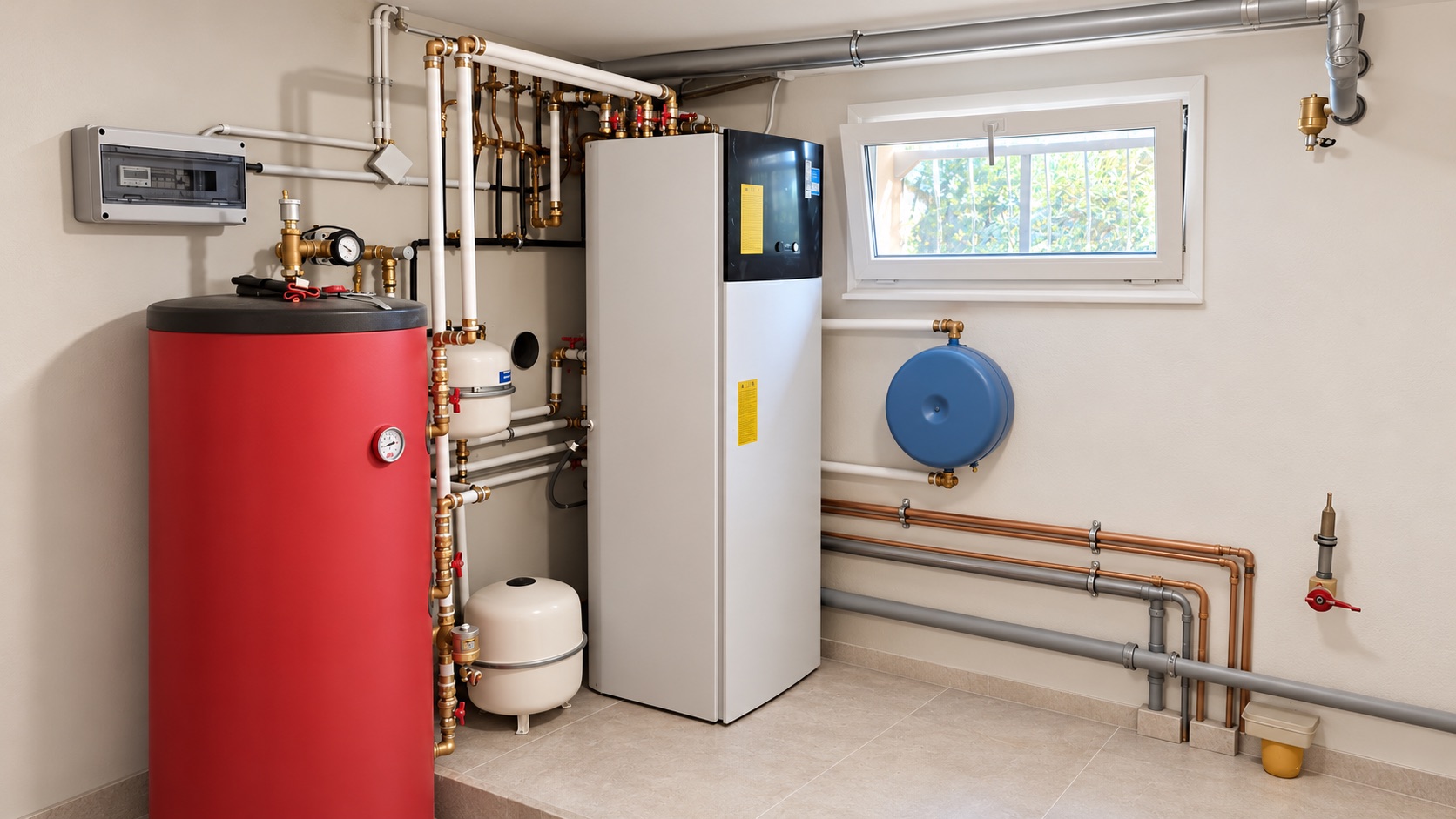
Prepare your records for a heat pump inspection
Before booking an appointment, first gather the information you have:
- the commissioning date, manufacturer and exact heat pump model;
- the manufacturer’s manual and installation specifications;
- the acceptance request and report, where available;
- servicing records and inspection reports;
- energy consumption readings and any error messages.
For example, mention rooms that are difficult to heat, unusual noises or a rise in energy consumption. These observations help the professional understand how your heating system is operating.
Use the visit to have your settings explained. The heating curve adjusts the heating water temperature in response to the outdoor temperature. Heating curve adjustment and hydraulic balancing are among the operating principles explained by the Chamber.
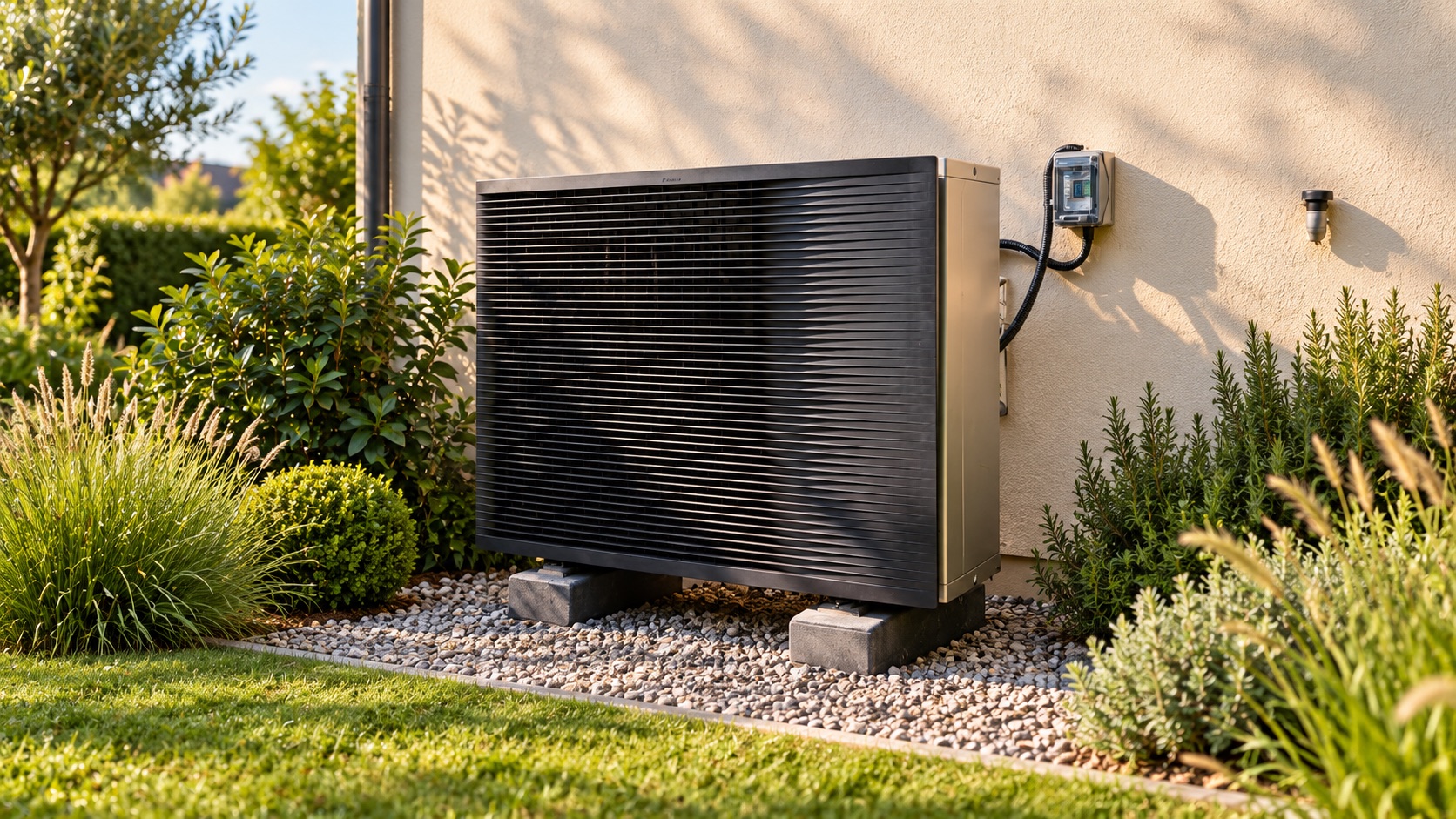
Plan a new installation with acceptance in mind
Preparation for acceptance starts at the heating design stage. The items checked by the SCRB include system sizing, flow temperature, hydraulic balancing and the presence of heat and electricity meters.
Before accepting a quotation, you should understand how the installer selected the heat pump’s output for your home. Which heating needs did the installer assess? What water temperature will your radiators or underfloor heating need? Finally, which changes to the existing system does the quotation include?
The quotation should identify hydraulic balancing, metering, commissioning and the acceptance procedure. These details help you compare proposals and understand which documents will be handed over.
Acceptance also matters for the grant application. Guichet.lu requires evidence of your request for an acceptance appointment for the heat pumps concerned under Klimabonus. This document forms part of the application alongside the other supporting evidence and eligibility conditions. Our article on heat pump grants in Luxembourg explains the amounts and criteria.
Frequently asked questions
Does a heat pump installed in 2019 need an inspection?
Yes, the inspection rules cover older systems too. For example, they apply to an air-to-water heat pump supplying water-based central heating. Therefore, arrange its first inspection by 18 September 2028.
When should a heat pump commissioned on 10 January 2027 be inspected?
Its first inspection must take place between 10 January 2028 and 10 January 2029. Later inspections follow the interval applicable to the installation, starting from the first inspection with a positive outcome.
How much does a heat pump inspection cost?
Request a quotation from an authorised company. Ask it to specify the statutory inspection, travel charges, any servicing work and the cost of a further visit if one is needed. The price should reflect the actual scope of the proposed service.
Does my servicing contract replace the mandatory inspection?
No. Servicing and statutory inspection are separate services. The inspection must be expressly carried out by an authorised inspector and documented in an inspection report.
Are air-to-air heat pumps covered by these inspection rules?
No. These rules cover systems supplying water-based central heating. For air-to-air systems, follow the manufacturer’s servicing instructions and any applicable refrigerant leak-check requirements.
Does a connected app qualify for the five-year inspection interval?
Not automatically. The system must provide electronic remote monitoring and control. An app displaying only temperature or consumption is insufficient. Ask an authorised inspector to confirm the interval for your system.
Thinking of replacing your heating system?
At Ecoclima, we assess the building, existing heating system, radiators or underfloor heating, and domestic hot water needs before sizing your air-to-water heat pump. Our heat pump installation service in Luxembourg brings together design, planned adaptations, commissioning and the acceptance procedure.
To prepare for an initial discussion, send us the property address, details of your current heating, energy consumption figures and a few photos of the installation. These will help us make an initial assessment of your project.
Official sources
Further reading

About the author
Abel Lovasz · Sales Director at Ecoclima
More than seven years of experience in the energy transition, supporting hundreds of customers, including with their solar energy projects.
Explore his background